Ink adhesion on ceramic materials is a critical factor in various industries. Understanding what factors affect ink adhesion on ceramic materials can enhance product quality. Recent studies suggest that the surface roughness, chemical composition, and porosity of ceramics significantly influence adhesion. For instance, a study from the American Ceramic Society highlights how increased surface roughness can improve mechanical interlocking.
Moreover, the interaction between ink components and the ceramic surface plays a pivotal role. According to a report by Ink World, certain ink formulations can either promote or hinder adhesion, depending on the surface characteristics of the ceramic. The importance of these interactions cannot be overstated, as insufficient adhesion may lead to defects in the final product.
In practice, many manufacturers face challenges in achieving optimal adhesion. Factors like improper surface preparation or the choice of ink can lead to adhesion failures. The diversity of ceramic materials adds another layer of complexity. Each type may respond differently to various inks, necessitating tailored approaches. This variability emphasizes the importance of understanding the underlying principles that dictate ink adhesion on ceramics.
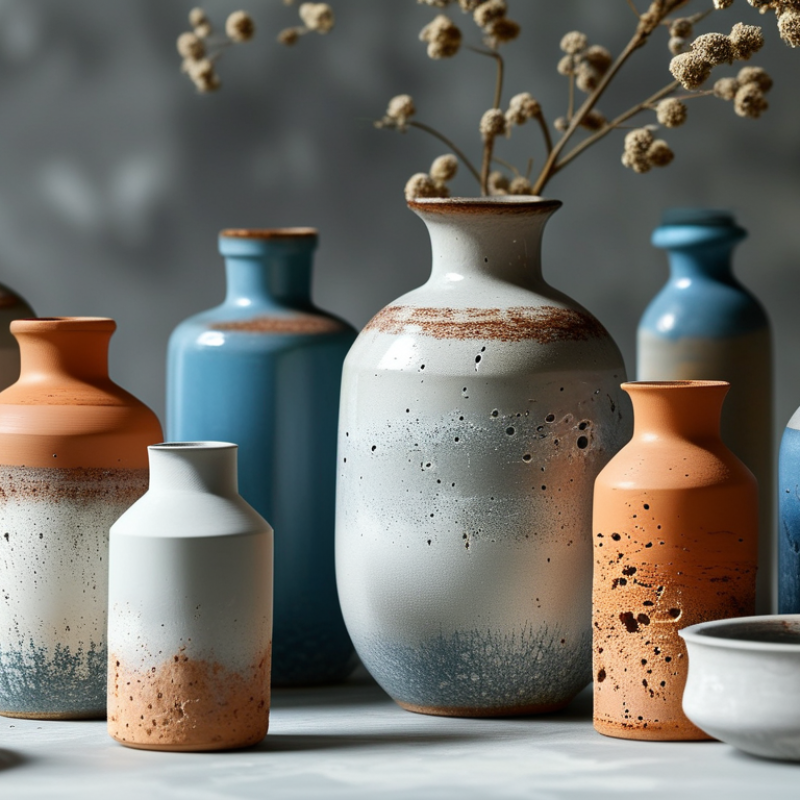
Factors Affecting Surface Energy of Ceramic Materials
The surface energy of ceramic materials plays a crucial role in ink adhesion. This energy influences how well the ink interacts with the surface. A higher surface energy typically leads to better adhesion. Conversely, low surface energy can cause problems like poor wetting and peeling. Various factors affect surface energy, including surface roughness and chemical composition.
Surface roughness can greatly enhance adhesion properties. A textured surface increases the area for ink to bond. However, too much roughness may lead to inconsistencies in adhesion. The balance is delicate and requires careful consideration. Additionally, the chemical composition of ceramics also alters surface energy. For instance, materials infused with certain additives may improve or reduce adhesion.
Understanding these factors is essential. Professionals must evaluate the surface conditions before printing. Experimentation may be necessary to find optimal solutions. There’s often a trial and error component. Each ceramic material presents unique challenges. Balancing surface energy and adhesion can lead to significant improvements in printing outcomes, yet many still face hurdles in achieving ideal results.
Role of Surface Roughness in Ink Adhesion
Surface roughness plays a crucial role in ink adhesion on ceramic materials. The texture of the surface directly affects how ink interacts with it. A rougher surface typically creates more surface area. This increased area allows the ink to grip better, leading to stronger adhesion.
However, not all roughness is beneficial. Excessive roughness can lead to uneven ink distribution. This may cause issues like bleeding or smudging. Finding the right balance is essential. The ideal surface profile promotes adhesion while maintaining a smooth finish.
Surface treatments can enhance roughness strategically. Techniques like sandblasting or chemical etching create controlled textures. These methods improve adhesion properties without sacrificing quality. Testing different roughness profiles helps identify the most effective texture for specific inks and applications. Understanding these dynamics is key to achieving optimal results in ink adhesion on ceramics.
Chemical Compatibility Between Ink and Ceramic Substrates
Chemical compatibility is crucial for ink adhesion on ceramic materials. The molecular structure of both the ink and the ceramic plays a significant role. For instance, ceramics often have a rigid and non-porous surface. This makes it challenging for inks to penetrate deeply, which is vital for strong adhesion. On the other hand, inks with aggressive solvents can potentially damage the ceramic surface. This leads to delamination and poor print quality over time.
Another factor is the surface treatment of ceramics. Certain treatments enhance compatibility, allowing better bonding with inks. However, not all surface treatments work with every type of ink. That’s where experimentation becomes necessary. It's important to test various ink formulations on different ceramic surfaces. Refinement in this process often leads to optimal results. Sometimes, the initial trials may show unexpected outcomes.
Even the slightest variation in ink chemistry can change adhesion characteristics. For example, inks with high volatility may dry too quickly. This can impact the layering process, leading to uneven surfaces. A stable interaction between ink and ceramic is essential for durability. Understanding these nuances can guide producers in creating better products. Crafting effective solutions involves ongoing adjustments and learning from initial challenges.
Impact of Firing and Glaze Properties on Ink Bonding
In ceramic printing, the role of firing and glaze properties is crucial to ink adhesion. Firing temperature directly affects the surface finish of ceramics. Higher temperatures often lead to a smoother finish. This smoothness can enhance ink bonding. However, it’s essential to find the right balance. Over-firing may cause warping or cracking, which can undermine the durability of the design.
Glaze properties also play a significant role in ink adhesion. Different glazes can create various surface textures. Glossy glazes may offer less friction for ink to bond effectively. On the contrary, matte surfaces can create more texture for ink to adhere to. However, striking the right glaze balance is tricky. A glaze that is too porous may absorb ink, leading to fading designs.
Moreover, the type of ink used must match the ceramic's firing characteristics. Some inks are better suited for high temperatures, while others perform well at lower ranges. Testing the combinations of glazes and inks becomes a vital step. What works on one type of ceramic may not be effective on another. This complexity calls for a thorough understanding of materials at play. Ultimately, achieving lasting ink adhesion may require experimentation and adjustment.
Environmental Conditions Influencing Ink Adhesion Performance
Environmental conditions significantly affect ink adhesion on ceramic materials. Humidity is a crucial factor. High humidity can lead to poor adhesion due to water molecules interfering with the ink's bonding process. In contrast, optimal humidity levels usually range between 30% and 50%. Reports indicate that maintaining these levels can enhance adhesion by as much as 25%.
Temperature also plays a vital role. Extremes in temperature can alter the ceramic surface. For instance, high temperatures can cause thermal expansion, leading to cracks. Such defects diminish adhesion. Research suggests that temperatures around 20 to 25 degrees Celsius promote better adhesion.
Surface cleanliness is another important aspect. Contaminants such as oils and dust disrupt the bonding mechanism. A study showed that ceramics cleaned with isopropyl alcohol had adhesion strength increases up to 35%. Despite this, achieving consistent cleaning procedures is often challenging. These environmental variables reveal a delicate balance in optimizing ink adhesion on ceramic surfaces.
FAQS
: Surface roughness directly affects ink adhesion. A rough surface increases the area for ink grip, leading to stronger adhesion.
Yes, too much roughness can cause uneven ink distribution. This may result in issues like smudging or bleeding.
Surface treatments like sandblasting create controlled textures. These techniques enhance adhesion without compromising quality.
Chemical compatibility is vital because rigid, non-porous ceramics can hinder ink penetration, affecting adhesion strength.
Aggressive solvents can damage ceramic surfaces, causing delamination and lower print quality over time.
No, different surface treatments may not work with all inks. Experimentation is crucial to find the best combinations.
Variations in ink chemistry can change adhesion properties. For example, high volatility inks may dry too fast.
A stable interaction between ink and ceramic is essential. It contributes to the overall durability of the print.
Yes, initial trials often yield unexpected results. Adapting and learning from these experiences is important.
Ongoing adjustments are key for creating better products. It helps refine processes based on initial challenges faced.
Conclusion
The adhesion of ink on ceramic materials is influenced by several critical factors, which can be categorized into surface energy, roughness, chemical compatibility, firing properties, and environmental conditions. One significant aspect is the surface energy of the ceramic substrate, which affects how well the ink can wet and adhere to the surface. Surface roughness also plays a vital role, as a higher roughness can enhance mechanical interlocking, promoting better adhesion.
Additionally, the chemical compatibility between the ink and the ceramic surface is crucial; mismatches can lead to poor bonding. The properties of the glaze and the firing process further impact the ink's ability to bond effectively. Finally, environmental conditions, such as humidity and temperature, can significantly influence ink adhesion performance. Understanding these factors is essential for optimizing the printing process on ceramic materials and addressing the question of what factors affect ink adhesion on ceramic materials.

 Magly Printer